[Recap] Good things come to those who visit Museum

Source: cazphoto.co.uk

As a person who loves learning, especially learning about things of the past, it is easy to understand why I am naturally attracted to museums. Most of the time they are at the top of my list of destinations to explore in a city. Also, by visiting museums on my own, I was able to make friends with some amazing people, which makes the whole visiting experience even more magical.

With all that said, I would like to dedicate this post to review some of the most impressive museums that I had a chance to visit. It would be nice to walk down memory lane and relive all the fond memories I shared with those places.

England Museums

You would be surprised to know that almost all of the best pieces of artwork and ancient artifacts are being kept in England, not in their country of origin. Also, most of the major museums in London are open to the public for free, which is a major bonus as you can frequent them as much as you wish.

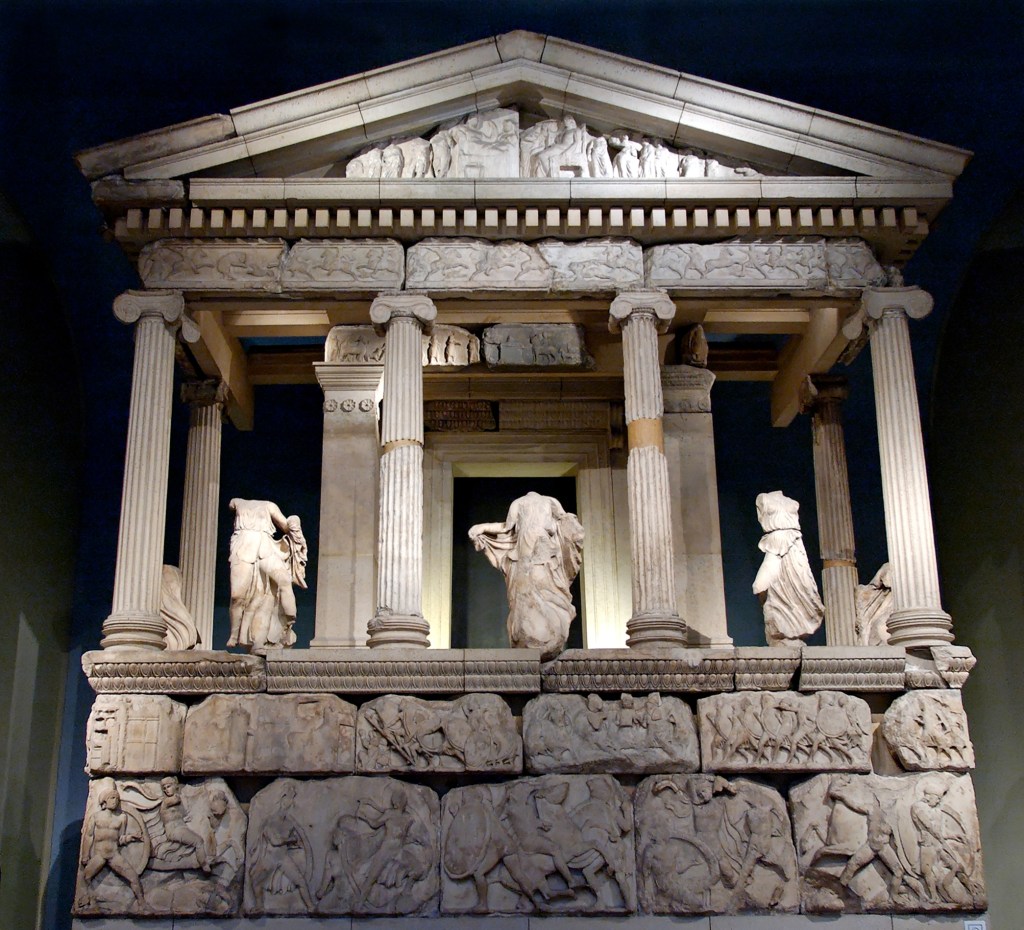
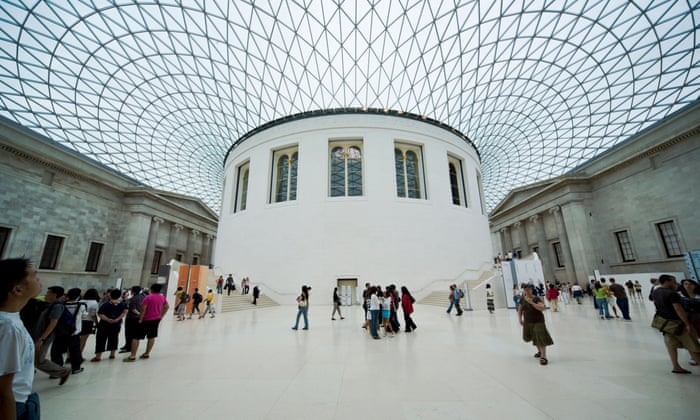
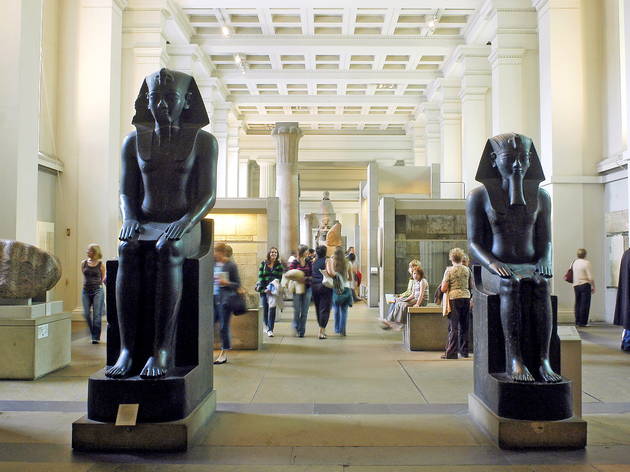
1. British Museum: This is the first museum that I had a chance to visit in London, and I was completely mesmerized by its grandeur. Looking at the vast collection of artifacts that span thousands of years makes me feel like I was traveling back in time. Some of my favorite collections in the museum include the Elgin Marbles from the Parthenon at Athens, the Rosetta Stone, Egyptian monuments, Assyrian relics, and other Greek sculptures from the Mausoleum of Halicarnassus and from the Temple of Artemis at Ephesus. Besides those, there is another feature of the museum that is extremely enchanting, and that is the giant glass roof that covers the Great Court. The roof gives the whole space a sense of ethereal lightness, which also helps to elevate your entire visiting experience.
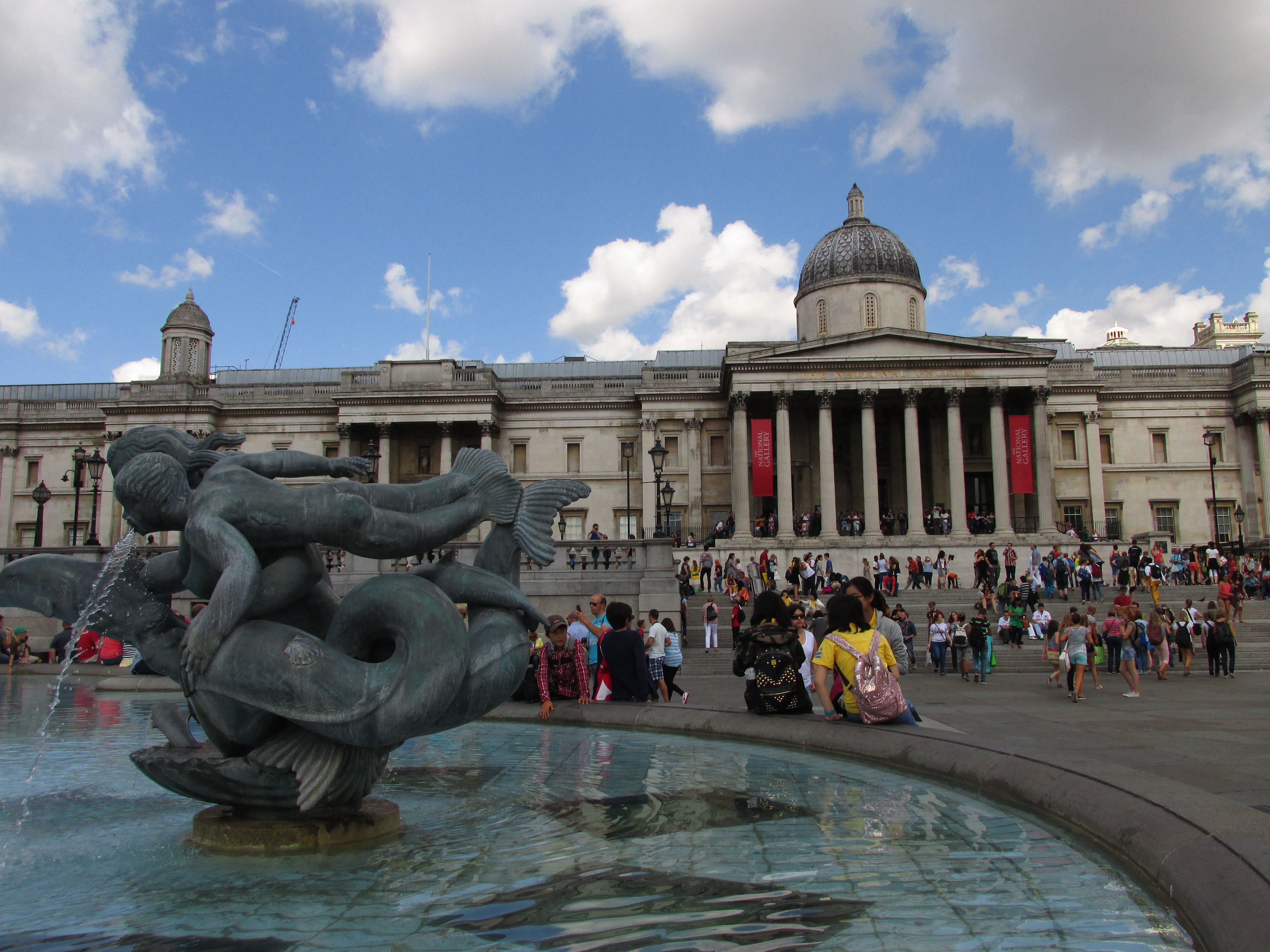
2. The National Gallery, London: For an art enthusiast like me, this place is literally heaven. With free admission, you can enjoy the most representative sampling of European paintings ranging from the 13th to the 19th century. It holds an extensive collection of Renaissance and Baroque paintings, including works of Leonardo, Raphael, Michelangelo, Rubens, Rembrandt to name a few. A small collection of notable French Impressionist and Post-Impressionist paintings is also there for display. I literally can spend my whole day in this place, just to admire the beauty of these magnificent works. Besides, the building is a work of art in itself. I was impressed right from the entrance by the exquisite mosaic floor and beautiful decorative details on the pediment. This is also the place where I got to meet the scientist who later became my friend and local tour guide. It was such a lucky encounter as I didn’t expect anyone to initiate a conversation with me while I was just browsing through the museum bookstore. Thus, this museum always holds a special place in my heart.
Đọc tiếp “[Recap] Good things come to those who visit Museum”

[Thoughts] Édouard Manet – the silent hero of the Impressionism

An admiration for the genius of Édouard Manet

When talking about the Impressionism period, most people would immediately think of Van Gogh, Monet or Renoir. While I love these artists dearly, personally I feel more connected to Édouard Manet (1832 – 1883) and his artworks. While he could be considered one of the earliest adopter of the impressionist style and was very influential to other artists of his time, he is usually one of the lesser mentioned painter name for this era, probably due to his uninterest in seeing himself as a representative of the style.

However, in some ways, I feel like he is the true silent hero of the Impressionism period. Though facing numerous criticisms from the academia, instead of breaking away like other artists, he did not stop experimenting and kept trying to submit his works to the Salon. He outwardly challenged the academic doctrine and chose his battlefield to be where the conventions of middle-class art were traditionally celebrated. Manet did not care about establishing any kind of movement, all he wanted was to show the public how “reality” can be achieved through a new perspective and be the catalyst for change. The novelty in his approach towards changing the public perception, I think, is quite underrated by today’s audience.

Đọc tiếp “[Thoughts] Édouard Manet – the silent hero of the Impressionism”

[Tản mạn] Nét đẹp thơ Haiku

nét đẹp thơ haiku

142210sgsx39b1y7gxz73f-1114

Thích thơ Haiku, đơn giản và nhẹ nhàng, thanh thoát như những nét vẽ của tạo hoá. Thơ Haiku, rất ấn tượng. Đọc thơ Haiku, tôi có cảm giác như đang chạm vào thiên nhiên, chạm vào từng mùa, chạm vào những mảnh vỡ của cuộc sống. Chạm vào hoa đào, đom đóm, lá phong, tuyết trắng …

Haiku…

Không dài, nếu không muốn nói là thể thơ ngắn nhất của thế giới. Một thể thơ nổi tiếng của Nhật Bản.

Toàn bài chỉ có 17 âm tiết, có thể xếp thành 3 câu (5,7,5), tất nhiên là mỗi câu cực ngắn.

Trong tiếng Nhật, thơ haiku không có vần và thường không có nhan đề.

Đề tài của haiku là thiên nhiên bốn mùa và những khoảnh khắc độc sáng trong đời.

Chính vì thể mà tôi rất thích thể thơ này. Ngắn nhưng sâu. Một vài từ nhưng lại mở ra không gian mênh mang vô tận khiến bất cứ ai cũng phải suy nghĩ.

Haiku nhẹ nhàng trong âm tiết nhưng mạnh mẽ khi đánh thức tâm hồn người nghe. Haiku đơn sơ về hình ảnh nhưng hàn lâm trong cách nắm bắt thần thái sự vật qua một vài từ.

Do đó, thơ Haiku không có chỗ cho những tính từ hoa mỹ phù phiếm.

Nếu muốn thể hiện nỗi buồn, nhà thơ Haiku sẽ không nhắc đến từ buồn (hay sầu) mà sẽ xếp đặt hình ảnh để gợi lên nỗi niềm ấy. Như:

Trong âm u
Hiên nhà thấm ướt
Mưa thu
(Taigi)

Đặt chữ “buồn” vào bài thơ của Taigi sẽ là thừa. Hình ảnh hiên nhà ướt mưa ấy đã là nỗi buồn rồi, một nỗi buồn sờ được, nếm được và có thể nhìn thấy.

Hầu như mọi bài haiku đều gắn kết với mùa, một mùa nào đó trong năm. Do đó, bài nào cũng có từ “mùa” (gọi là kigo: quý ngữ). Vì sao?

Một số lý do khiến thơ haiku dùng từ “mùa”:

1. Thói quen truyền thống của thơ ca Nhật có từ xa xưa, đặc biệt với loại thơ liên ca (renga), thơ do nhiều người cùng làm, nối tiếp nhau.

2. Từ mùa chính là thi pháp của haiku, giúp nó có sức khơi gợi rất cao, vì mùa có không gian và thời gian rất lớn.

3. Bản thân người Nhật quá yêu thiên nhiên, quá yêu sắc màu của những mùa luân chuyển.

Những từ mùa thường gặp:

Xuân: oanh, én, bướm, ếch, đào, mơ, liễu …

Hạ: chim cu, đom đóm, ve sầu, chuồn chuồn, hoa bìm bìm, sen …

Thu: ngân hà, trăng, nhạn, quạ, lá phong, cúc, …

Đông: sương mù, tuyết, cánh đồng héo úa, năm tàn …

Để sáng tác haiku (hầu như xứ nào cũng có nhà thơ sáng tác theo thể haiku, kể cả Việt Nam), Soichi Furuta có một số lời khuyên như sau:

– Quan sát, khám phá …

– Mở rộng năm giác quan cũng như kí ức và tưởng tượng, tức cả tâm hồn.

– Thiên nhiên ở quanh ta và ở trong ta.

– Dùng từ mùa khi thích hợp.

– Có sổ tay ghi chép ngay những ý tưởng bất ngờ.

– Đọc nhiều thơ haiku của các nhà thơ bậc thày cũ và mới.

– Tránh dùng từ và hình ảnh sáo mòn.

– Tránh dùng tính từ nếu không thật sự cần thiết.

Mặc dù hầu hết những lời khuyên ấy đều có thể áp dụng cho mọi thể thơ nói chung, nhưng với haiku, đấy chính là những điều kiện tiên quyết thiết yếu.

Có hai bài thơ haiku mà tôi khá yêu thích.

Một là thơ của thi sĩ Basho:

Shizukasaya
Iwa ni shimiiru
Semi no koe

Dịch thơ:

Tịch liêu
Thấu xuyên vào đá
Tiếng ve kêu

Hai là thơ của họa sĩ Buson:

Đỉnh Yoshino
Nuốt vào mây trắng
Thở ra hoa đào.

Bình dị, không trau chuốt mà vẫn diễn tả đầy đủ tâm thức con người. Cái hay cái đẹp của Haiku là thế. Không cần biết bạn bắt đầu đọc Haiku từ khi nào, một khi đã nắm bắt được nét đẹp của Haiku, bạn chắc chắn sẽ bị hấp dẫn và đắm lòng sâu hơn cùng các cung bậc trầm lắng của cuộc sống.